Reviews





We photograph the damage, log moisture readings and send the paperwork your adjuster asks for, so you have less to chase.
The sooner drying starts, the less there is to repair. Our phones are answered around the clock, with same-day visits when available.
We look at the damage, explain what it needs and give you a written price before we start.
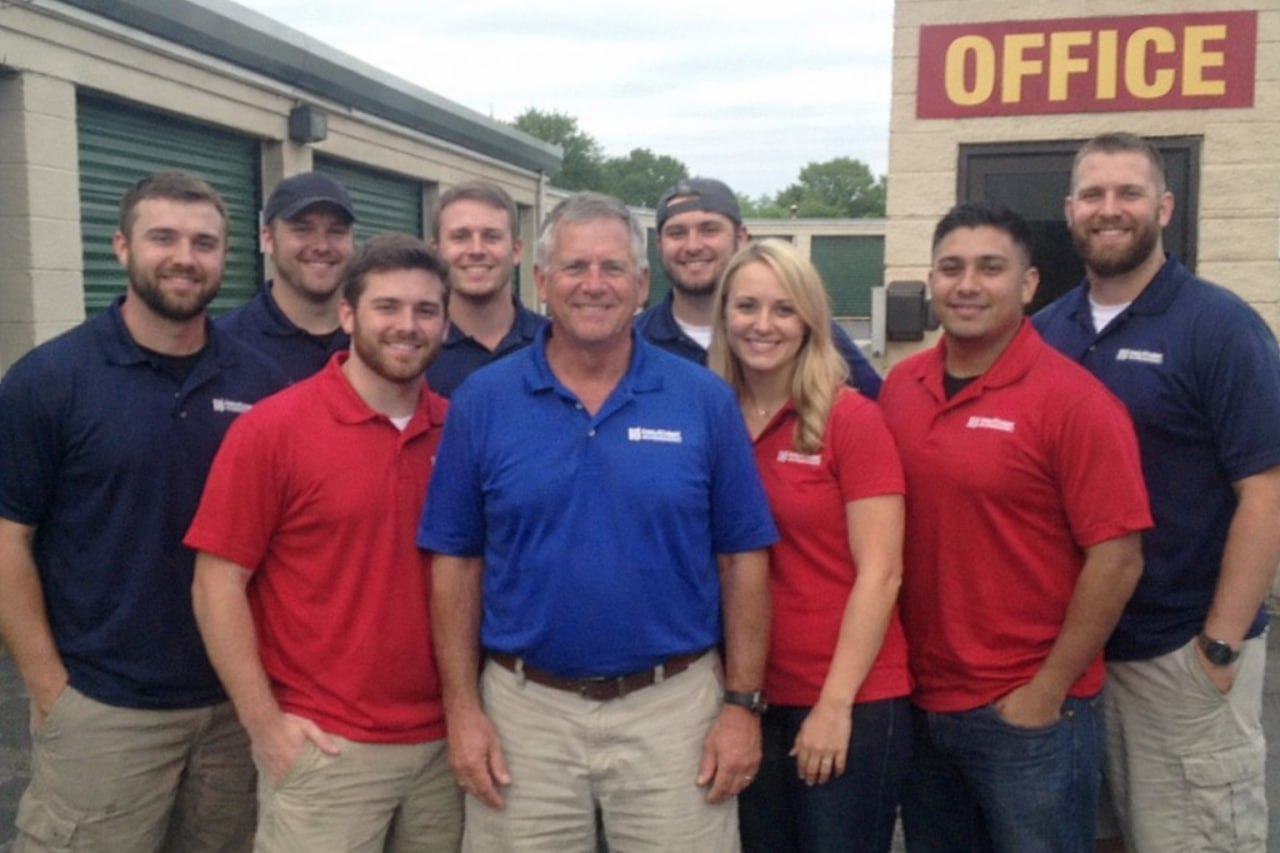
Most people who call us have never dealt with wet carpet drying before. We walk you through it on the phone, then send a local crew with the right equipment.
There is always more water in a soaked carpet than the surface suggests. Up top the fibers may seem barely damp, yet the pad has filled up the way a sponge does and the subfloor under it has gotten wet as well. Towels and a shop vacuum reach the top layer and little else. In Huntington Beach, we pull the water out, take moisture meter readings on each layer, and place drying equipment that works down to the subfloor.
Two things decide if a carpet is worth saving: the cleanliness of the water and the time it has sat wet. If the water came out of a clean supply line and we reach it fast, the carpet can normally stay down while it dries. Water from an appliance counts as gray, so the pad is frequently removed while the carpet is cleaned and treated. After sewage or flood water from outdoors, neither the carpet nor the pad stays.
We trace how far the water traveled with moisture meters and thermal imaging, including under walls and into closets. The water category gets identified as well, since it determines what we can keep.
With weighted extractors, carpet and the pad beneath it are pressed and emptied in one pass. A wand by itself leaves much more behind, so this step cuts the drying time afterward.
Depending on the job, we float the carpet on moving air or lift it and remove the pad. Our air movers and dehumidifiers keep going until meters show a dry carpet and a dry subfloor.
Last, we apply antimicrobial to carpet and subfloor if they need it, replace any pad that was taken out, stretch the carpet back over the tack strip, and give it a cleaning.
Water many times heavier than the pad itself can sit inside it. Long after the top feels dry, that pad is still passing moisture up into the carpet and down into the floor.
Particleboard and OSB under carpet swell and crumble when they stay wet. Squeaks, soft spots and raised seams show up weeks after the spill is forgotten.
Growth usually starts on the underside of the carpet, where it is dark and damp. The odor arrives a long time ahead of any visible sign on top.
Wood stain and metal feet on furniture bleed into wet carpet. The furniture also draws up water and swells, and the marks it leaves often never come out.
The pad wicks water well past the visible wet spot. It slips beneath walls into neighboring rooms while the tack strip begins to absorb it.
Bacteria in the damp pad start producing that sour wet carpet smell. Mold can start to grow on dust caught deep in the pile and on the carpet back.
The latex that holds the backing together breaks down, so the carpet delaminates and ripples. Nails in the tack strip start rusting, and the subfloor swells.
By now the carpet and pad usually have to come out. Mold has often reached the subfloor and the bottom of the drywall, so the job grows.
We save what can be dried properly and remove only what cannot. Moisture readings make that call, not guesswork.
Ask a Tech: (475) 203-3930| Material | Can usually be saved when | Has to be replaced when |
|---|---|---|
| Carpet | Under two days wet from a clean source, with the backing holding tight | The backing is coming apart, or it took in flood water or sewage |
| Plywood subfloor | Moisture readings return to normal and there is no give underfoot | Surface mold, soft areas, or plies that are coming apart |
| Carpet pad | Only a small section got wet, from clean water, and drying begins that day | Gray or black water, or soaked for more than a day or two |
| OSB or particleboard subfloor | No raised seams, and a few days of drying brings the reading down | It crumbles, gives under pressure, or has swelled along the seams |
| Baseboards | Solid wood that dries flat and stays tight to the wall | Swollen fiberboard trim, or boards with mold on the back |
Not seeing your question? Call and ask. It costs nothing to talk it through.
Call (475) 203-3930Don't wait for small problems to become expensive emergencies. Call Huntington Beach Restoration for fast, reliable service.
Call (475) 203-3930 Now